Heated Vinyl Flooring Installation in Harrisburg, IL
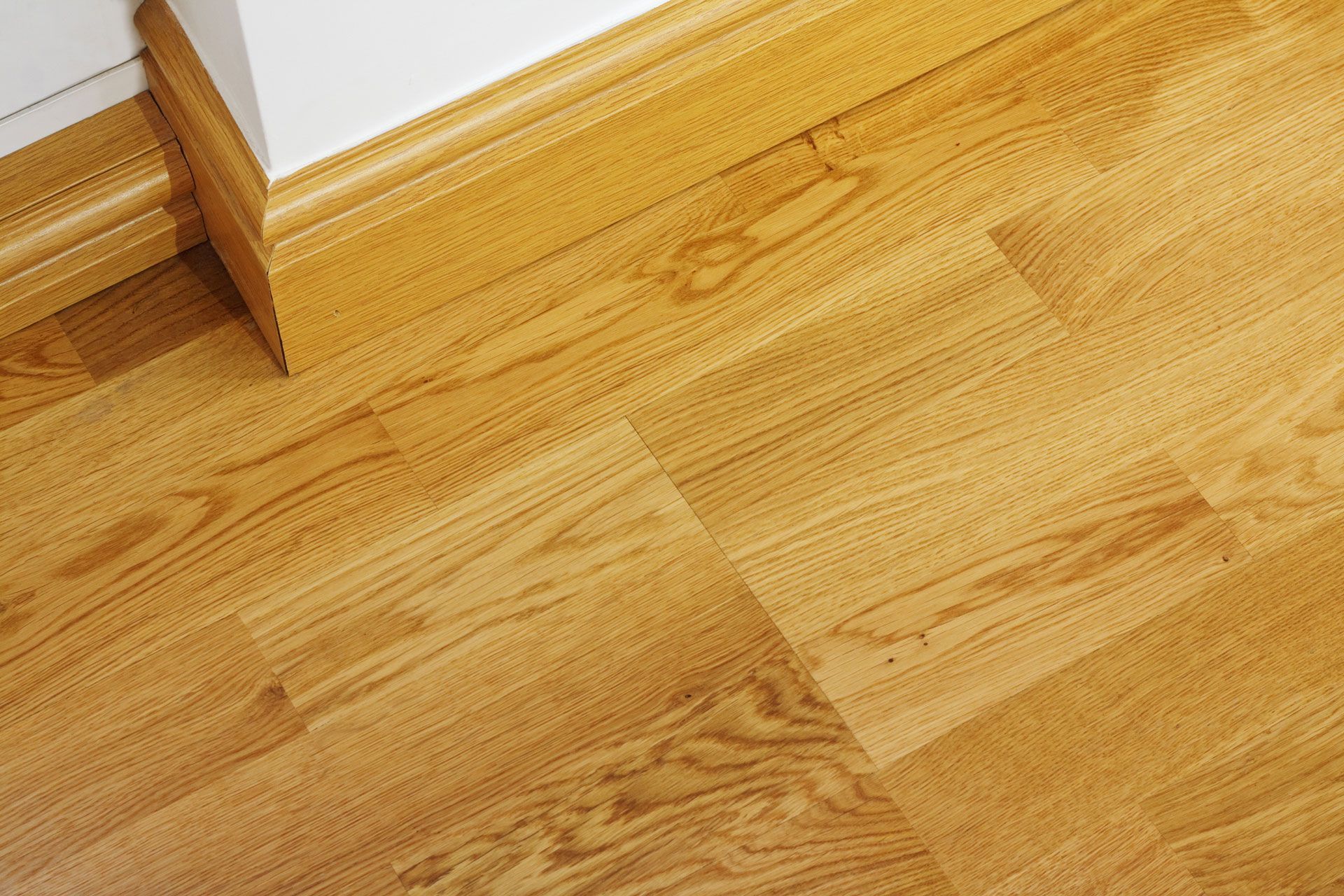
Heated vinyl flooring installation in Harrisburg, IL combines the comfort of radiant floor heating with the durability and flexibility of vinyl flooring. This type of installation requires precise coordination between the heating system and the vinyl flooring material to ensure proper heat transfer and long-term performance. K&J Flooring provides professional heated vinyl flooring installation services designed to meet manufacturer specifications and installation requirements.
Not all vinyl flooring products are compatible with radiant heat systems. Proper product selection, temperature regulation, and installation techniques are essential to prevent damage such as warping, separation, or surface degradation. Heated vinyl flooring installation must be approached with careful planning and technical accuracy.
Heated Vinyl Flooring Installation Services
Heated vinyl flooring installation involves integrating vinyl flooring with an existing or newly installed radiant heating system. The process requires attention to subfloor conditions, heating element placement, and flooring material limitations.
Radiant Heat Compatible Vinyl Flooring
Radiant heat compatible vinyl flooring is specifically manufactured to withstand controlled temperature changes. Luxury vinyl plank and luxury vinyl tile products designed for radiant heat systems allow warmth to transfer evenly without compromising the flooring structure. Installation guidelines must be followed closely to maintain warranty compliance.
Electric Radiant Heating Systems
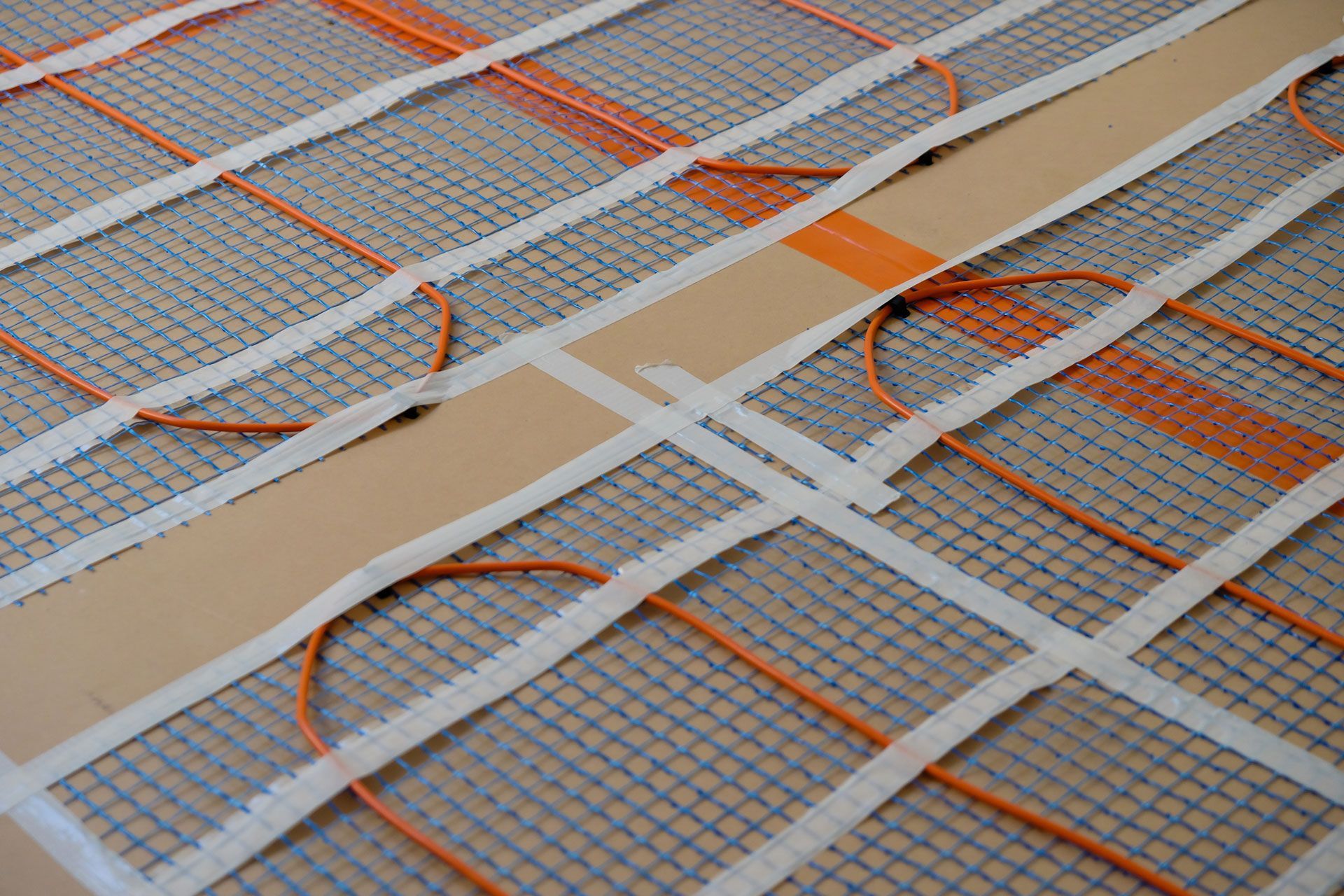
Electric radiant heating systems are commonly used beneath vinyl flooring in residential applications. These systems are installed within or over the subfloor and require a smooth, level surface before vinyl installation begins. Temperature sensors and controls help regulate heat output to remain within vinyl flooring limits.
Subfloor Preparation for Heated Vinyl Flooring
Subfloor preparation is critical for heated vinyl flooring installation. The subfloor must be clean, flat, and structurally sound to support both the heating system and the vinyl flooring. Any uneven areas can interfere with heat distribution and create visible imperfections in the finished floor.
Preparation may include leveling compounds, moisture barriers, or underlayment materials approved for use with radiant heat. Proper preparation helps ensure consistent heat transfer and flooring stability.
Temperature Control and Heat Regulation
Temperature control is one of the most important factors in heated vinyl flooring installation. Vinyl flooring manufacturers specify maximum surface temperatures to prevent damage. Heating systems must be programmed to gradually increase and decrease temperatures rather than making sudden changes.
Monitoring and regulating heat levels helps protect the vinyl flooring from expansion or contraction issues. Maintaining consistent temperature ranges supports both comfort and long-term flooring performance.
Layout Planning and Installation Accuracy
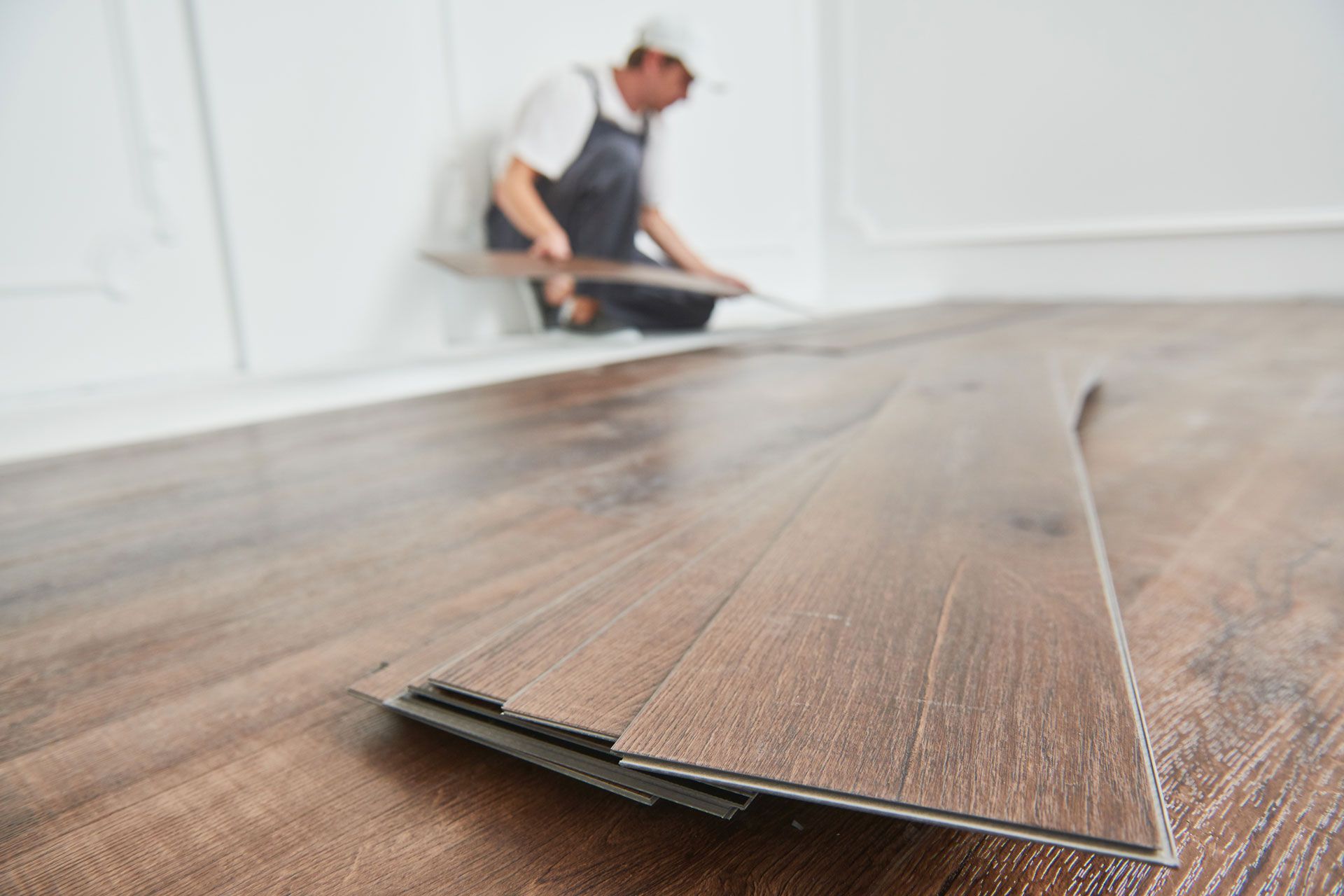
Layout planning ensures heated vinyl flooring is installed evenly across the heated surface. Plank or tile placement is carefully aligned to maintain consistent spacing and allow for proper expansion. Special attention is given to perimeter gaps and transitions where temperature changes may occur.
Expansion Gaps and Transitions
Expansion gaps are required around walls, fixed objects, and transitions to accommodate natural movement caused by temperature variation. Transition pieces are installed where heated vinyl flooring meets other flooring materials to maintain stability and visual continuity.
Seam and Edge Finishing
Precise seam alignment and edge finishing help ensure the flooring maintains a uniform appearance. Proper cutting and fitting around doorways and fixtures are essential to maintaining both appearance and performance.
Heated Vinyl Flooring Replacement and Upgrades
Heated vinyl flooring installation may involve replacing existing flooring to accommodate a radiant heat system. Old flooring materials are removed carefully to protect the subfloor and heating components. Once removal is complete, the subfloor is evaluated and prepared for system installation and new vinyl flooring.
Upgrading to heated vinyl flooring often requires coordination between flooring installation and heating system placement to ensure compatibility and efficiency.
Residential and Light Commercial Heated Vinyl Installation
Heated vinyl flooring installation is commonly used in residential spaces such as bathrooms, kitchens, living areas, and basements. Light commercial environments may also benefit from heated vinyl flooring where comfort and durability are required.
Installation methods are adapted based on space usage, heating system type, and environmental conditions to support reliable performance.
Heated Vinyl Flooring Installation Process and Completion
Heated vinyl flooring installation follows a structured process that prioritizes system compatibility and flooring performance. The heating system is installed and tested before vinyl flooring installation begins. Once the system is confirmed to be functioning correctly, vinyl flooring is installed using approved methods.
After installation, the heating system is gradually brought to operating temperature to allow the flooring to acclimate. Final inspections confirm proper alignment, temperature regulation, and overall installation quality.

Heated Vinyl Flooring Installation in Harrisburg, IL
Professional heated vinyl flooring installation in Harrisburg, IL ensures radiant heating systems and vinyl flooring work together effectively. Proper subfloor preparation, temperature control, and precise installation techniques are essential for long-term success. K&J Flooring provides heated vinyl flooring installation services designed to meet the technical requirements of both the flooring material and radiant heat system.